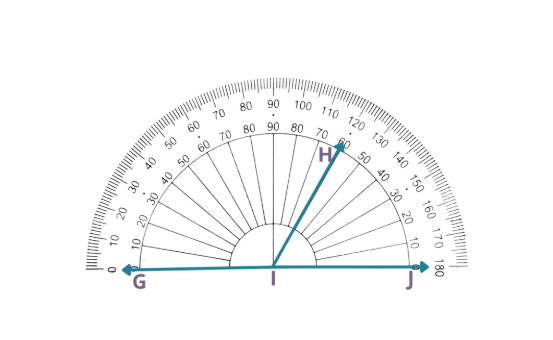
Finding angle measures with protractor on page worksheet can be a fun way to learn about angles. When you work on a page worksheet, you usually see many shapes and lines. The protractor helps you measure each angle correctly. It is a tool shaped like a half circle or full circle with numbers on it. In school, many teachers give worksheets so you can practice and understand angles better. These worksheets have clear drawings where you put your protractor on the corner of the angle and read the number. This helps you know if the angle is small, big, or just right. Learning how to measure angles with a protractor is important for math, drawing, and even building things. Once you learn it, you will find it easy to do and also very helpful in your daily school work or projects.
When you find angle measures with protractor on page worksheet, you also learn more than just math. You learn how to follow steps, stay patient, and be careful with details. The protractor shows numbers from 0 to 180 degrees or sometimes up to 360 degrees. You line up the base of the protractor with the line of the angle and then read the number where the other line meets the scale. This might sound tricky at first, but after a few tries, it feels simple. Worksheets often have different types of angles like acute, right, obtuse, and straight angles. By practicing, you can tell the difference between them and measure them correctly. This skill is also useful in art, science, and even sports design. The more you use a protractor on worksheets, the better your measuring skills will become, and soon you will do it without making mistakes.
What Does It Mean to Find Angle Measures with Protractor on Page Worksheet
Finding angle measures with a protractor on a page worksheet means using a tool to see how wide an angle is. You put the protractor centre on the angle corner and line up the bottom line with one side. Then you read the number where the other side meets the curved edge to know the degrees. Worksheets give many angles to practice so you can learn fast. A protractor usually shows numbers from zero to one hundred eighty degrees. Practice with a pencil and mark the lines gently before you read the number. Soon you will measure many angles and feel happy about your learning. Ask for help from a friend when the angle looks confusing and check twice. carefully.
Why Learning to Measure Angles with a Protractor Is Important
Learning to measure angles with a protractor on a page worksheet helps you in many school tasks and play. When you know how to measure, you can draw straight lines, build models, and make cool art with correct slants. This skill helps in science, craft, sports plans, and map reading too. Worksheets give practice that makes your hand steady and your eyes sharp. You learn to follow steps and check your work. Being able to measure angles makes math tests easier and gives you more confidence. You will also enjoy solving puzzles and making small projects using exact angle sizes. Ask questions in class, watch a teacher show each step, and try lots of worksheet problems to get better daily.
Step-by-Step Guide to Use a Protractor on a Page Worksheet
First, find the angle on your page worksheet and place it facing you. Next, put the small hole or centre of the protractor right on the angle corner. Line the straight bottom edge of the protractor with one side of the angle. Make sure the zero mark matches the side you lined up. Now look at the curved numbers and find where the other side of the angle touches the scale. Read that number to know the angle in degrees. Write the number near the angle with a pencil. If the angle is more than ninety, use the outer number set when needed. Check your work by measuring the angle again or ask a friend to check. carefully and slowly.
Easy Tips for Measuring Angles Correctly on Worksheets
Use a clear protractor and place it flat on the page when you measure angles on worksheets. Always start by lining the centre hole and the zero line with one side of the angle. If the numbers seem confusing, try turning the protractor to see the other number set. Keep your eyes close to the paper and avoid looking from an angle to stop mistakes. Use a sharp pencil to mark the point where the other side meets the scale. Measure twice to be sure and erase the wrong mark carefully. Practice these tips often and your measurements will become quick and correct. Place a ruler under the protractor base to keep it steady and ask a teacher when stuck.
Common Mistakes When Measuring Angles and How to Avoid Them
A common mistake when measuring angles on worksheets is not lining the centre hole with the angle corner. Another mistake is using the wrong zero mark or the wrong number set on the curved scale. Looking from the side instead of above the paper can also make numbers look wrong. Some kids press too hard and move the protractor while reading. Others forget to mark the point where the side meets the scale and then guess. To avoid these errors, take your time, check the zero line, and measure twice. If unsure, ask for help and practice slowly until you get it right. Use a clear protractor, keep hands steady, and check with a friend or teacher. for practice daily.
Fun Ways to Practice Angle Measuring Skills at Home
You can practice angle measuring at home with fun games and simple crafts. Draw shapes and color the angles after you measure them with a protractor. Make a scavenger hunt to find angles in picture books or around the room. Use building blocks or sticks to create angles and then measure them on a worksheet. Bake a pizza and guess the slice angle before you measure it on paper. Play with a friend and time who can measure correctly three angles the fastest. Keep a small notebook to record your angle finds and celebrate when you improve. Make a paper protractor and decorate it. Ask a parent to draw tricky angles to solve. Do fun practice every single day now.
Conclusion
Measuring angles with a protractor on worksheets is easy when you practice. Keep the protractor steady and line up the zero mark. Measure twice and mark answers with a pencil. Have fun and be proud when you do it right.
Use the tips and games to practice at home. Ask a friend, parent, or teacher to help. Practice one small sheet each day to get better. Soon you will measure angles fast and feel happy.
Faqs
Q: How do I line up a protractor?
A: Put the center hole on the angle corner and align the zero line with one side. Read the number where the other side meets the scale.
Q: What if an angle is more than 90 degrees?
A: Look at the outer number set on the protractor or use the larger numbers. Measure carefully and check twice.
Q: Can I make my own protractor at home?
A: Yes, you can make a paper protractor or print one. For more accuracy use a clear store protractor and practice a lot.
